

As part of the service-learning course “Entrepreneurship and Digital Business Communications,” implemented under the international project “Service-learning in Higher Education for Ukraine’s Recovery” (ServU), No. 101128922 – ServU – ERASMUS-EDU-2023-CBHE, first-year bachelor’s students of the Institute of Business, Economics and Management, under the mentorship of senior lecturer of the Department of Financial Technologies and Entrepreneurship, PhD in Economics Anastasiia SAMOILIKOVA, successfully mastered the conceptual foundations of entrepreneurship, business digitalization, and acquired a modern system of competencies and skills in entrepreneurship and digital business communications.
The service-learning methodology covered progressive forms of educational activity (interactive lectures, case studies, development and presentation of an individual project, reflection and co-creation integrated into practical activities). Along with the intensive academic program of the discipline, the students participated in the Online Business Laboratory-2025 and the project-based intensive “Women’s Leadership and Entrepreneurship,” as well as community-oriented activities within the Sumy City Territorial Community.
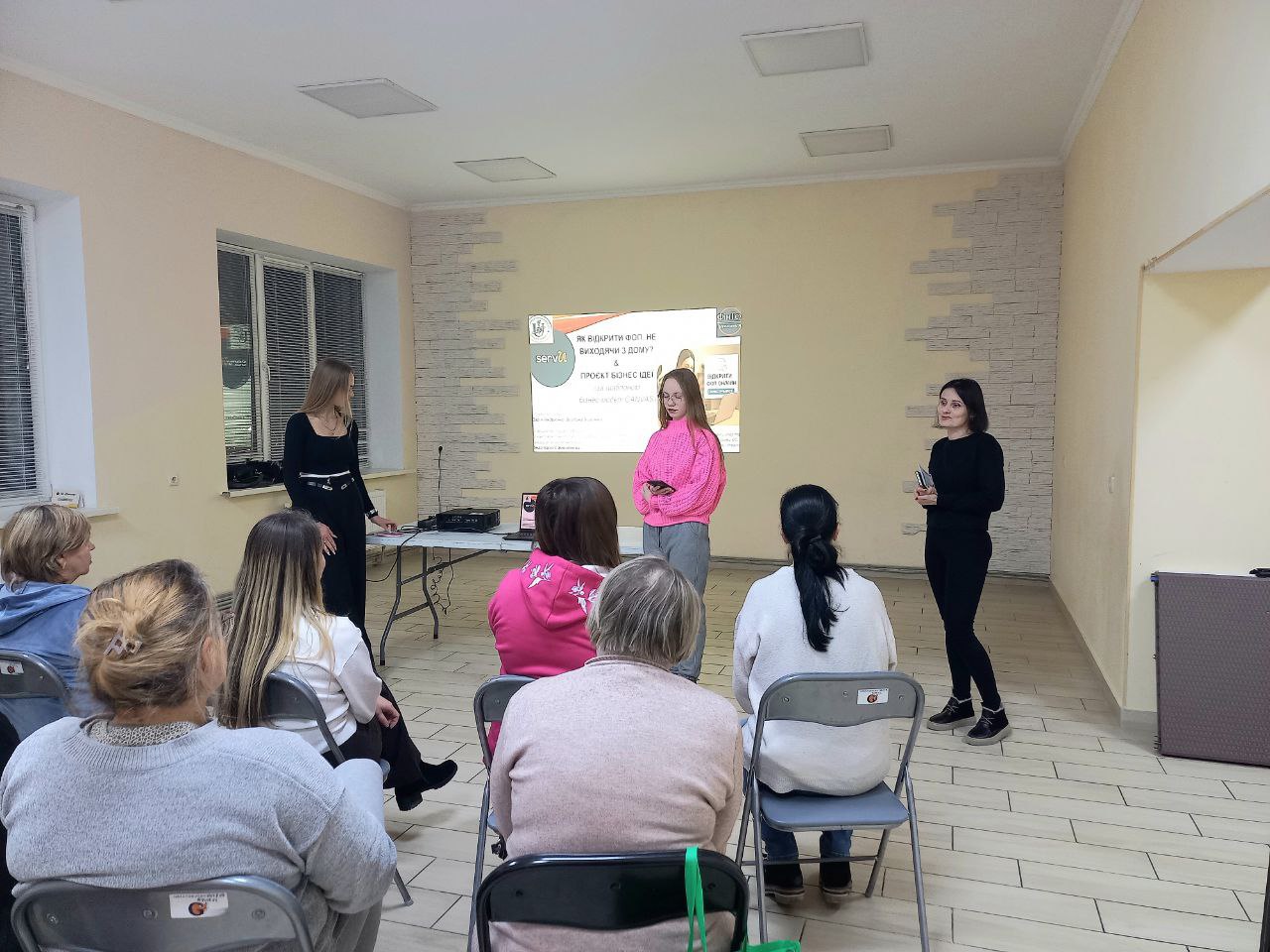
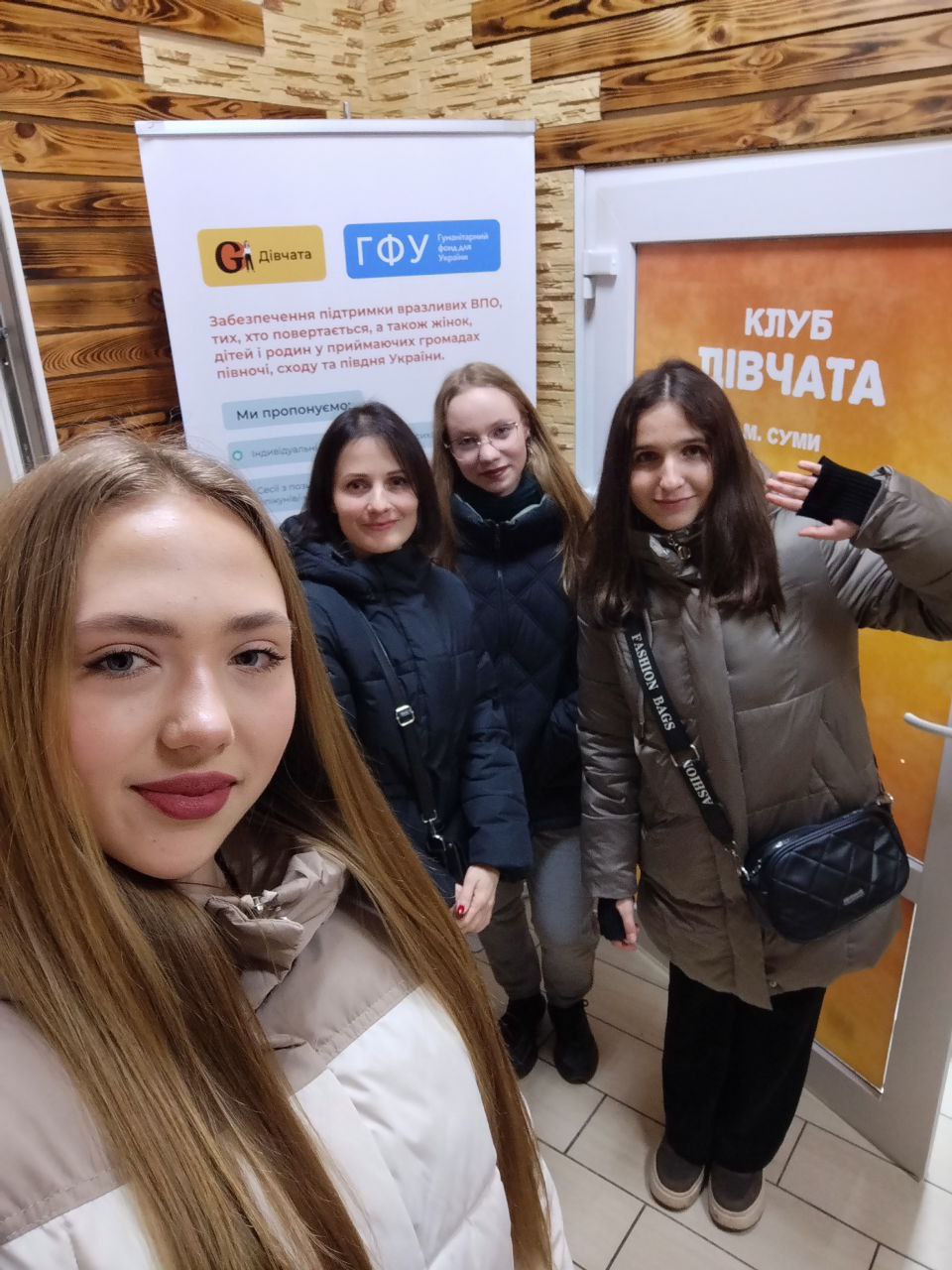
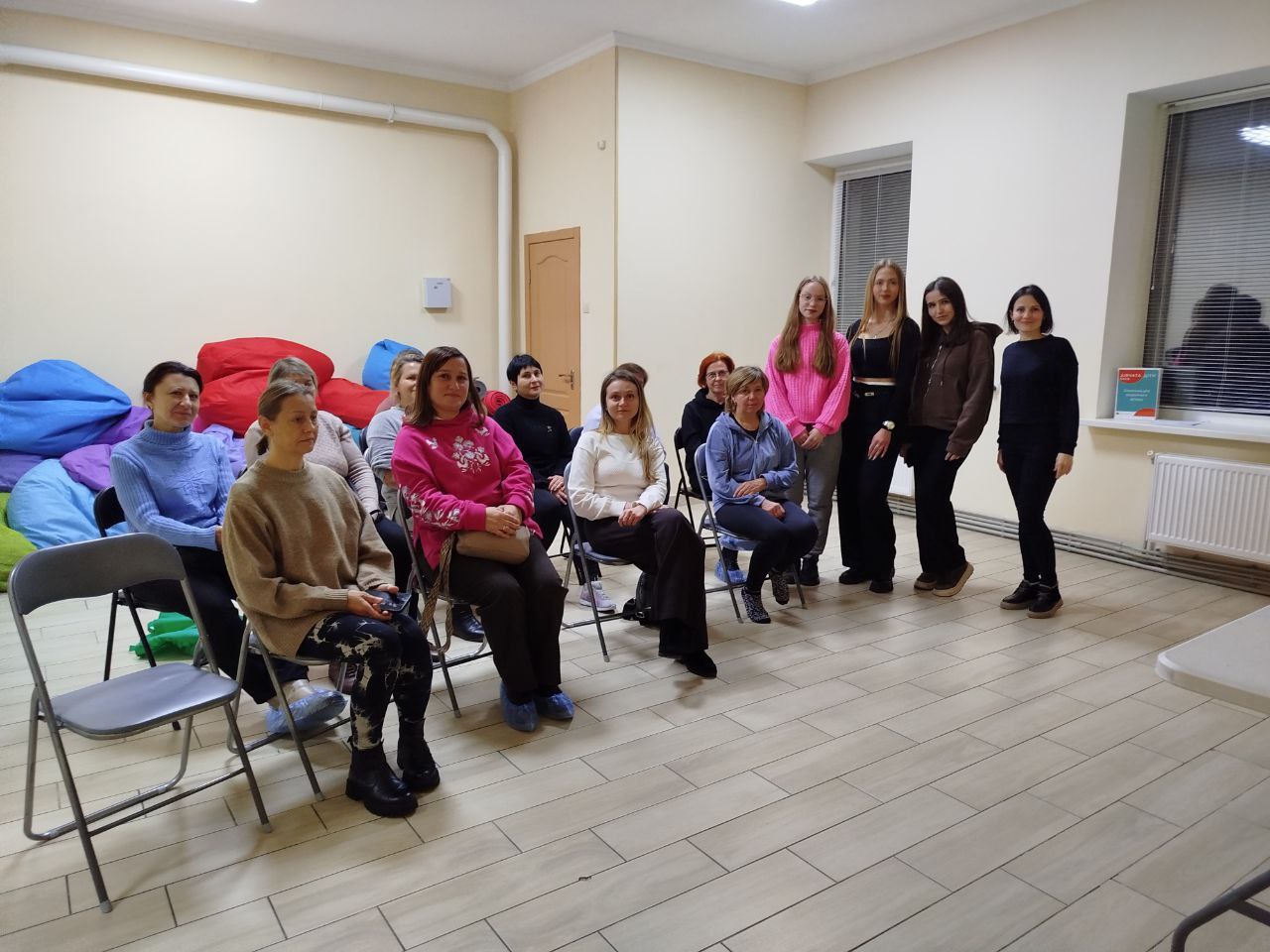
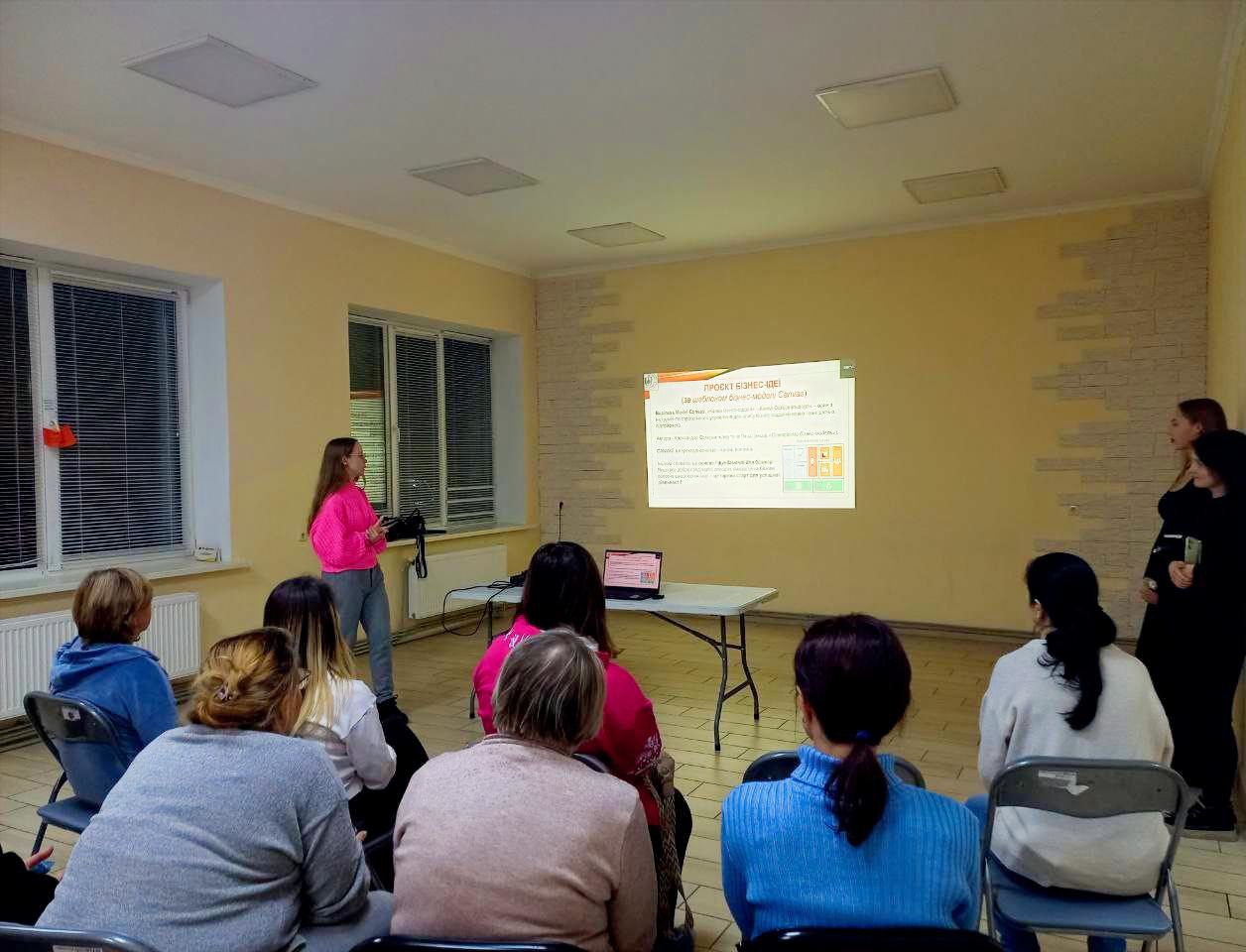
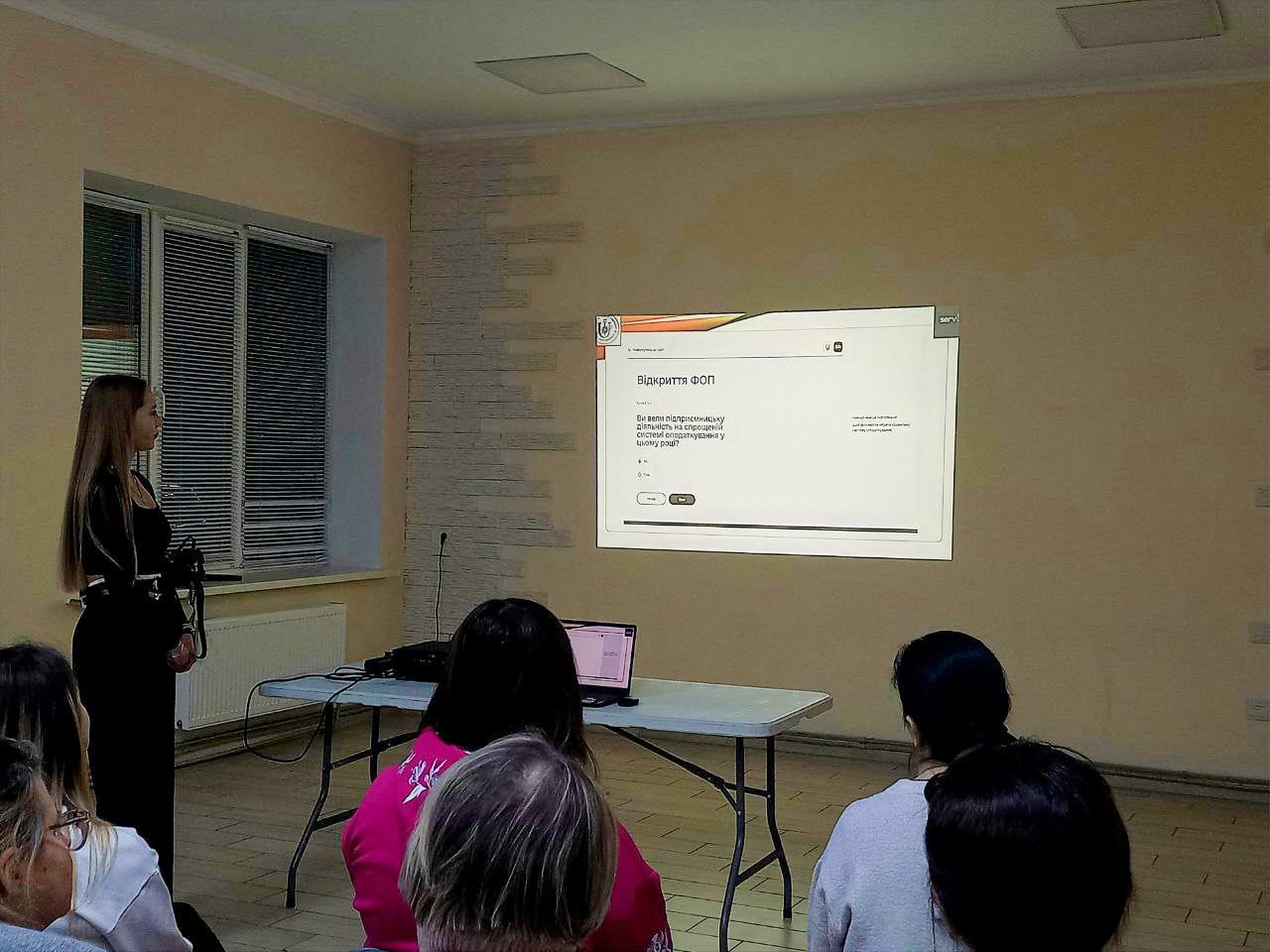
On December 4, 2025, students of the degree programs “Banking” (Daria Skrypnyk), “Marketing” (Daria Andriienko), and “International Economic Relations” (Bohdana Boronina) conducted an offline training session for women of different age groups, including socially vulnerable categories, who attend the NGO “Girls” community space. They introduced participants to the process of registering as a private entrepreneur, presenting a detailed step-by-step guide and explaining the advantages of online registration on the Diia portal, as well as guiding them through developing a business idea using the Canvas business model template.
The training provided beneficiaries with practical tools for starting their own businesses, support and motivation to move from an idea to real steps, overcome digital fears, increase confidence, and encourage continued learning and viewing entrepreneurship as a path toward self-employment and economic independence. The long-term effect for the community includes an increase in potential female entrepreneurs and the economic empowerment of women, which contributes to community development – not only through the growth of local entrepreneurship but also through job creation and the reduction of unemployment and social vulnerability.
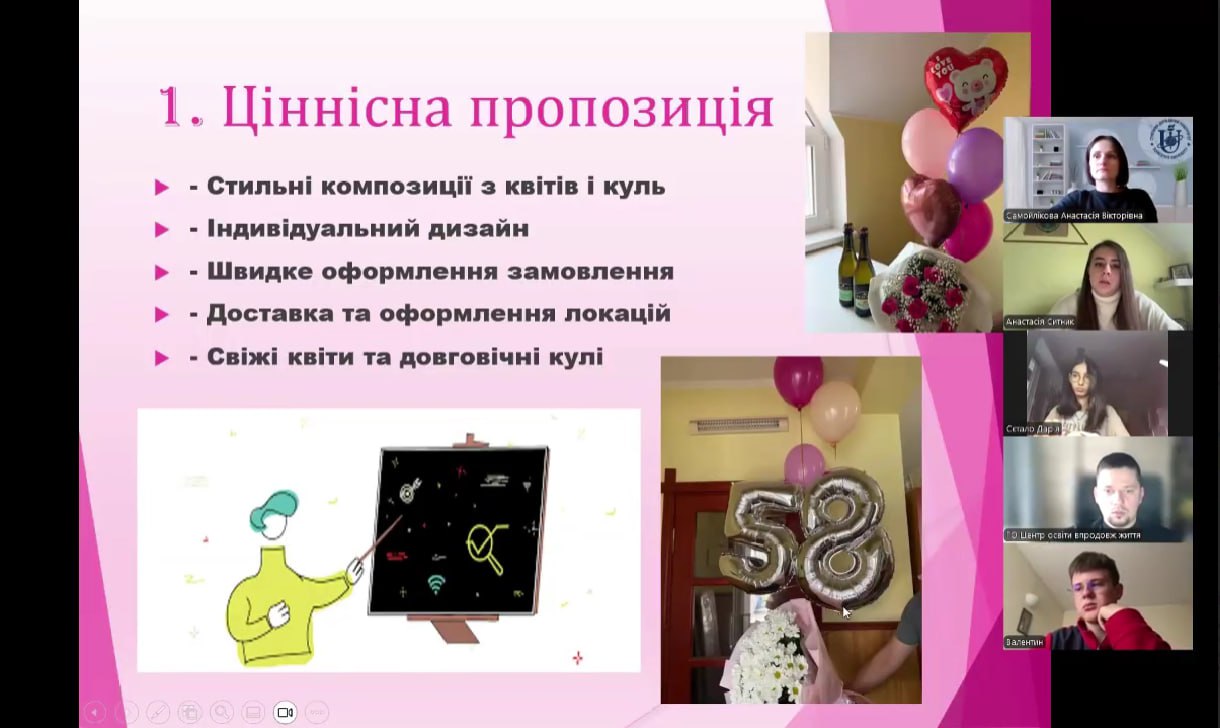
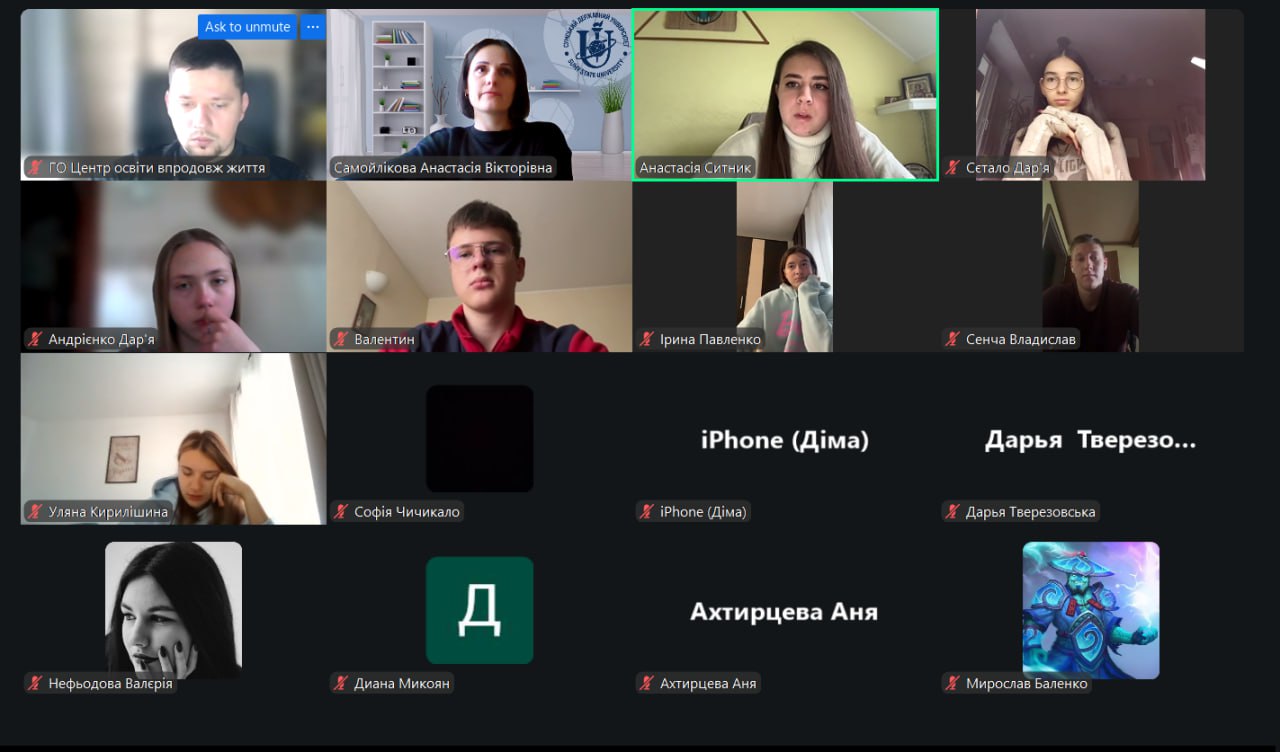
Also on December 4, 2025, students of the “Marketing” and “Entrepreneurship” program held a webinar for community residents as part of the activities of the NGO “Center for Lifelong Learning.” Using presentations of their own business-idea projects developed with the Canvas model, the students shared their experience not only in developing a business idea and planning all components of a business model but also in its practical implementation (in particular, Anastasiia Sytnyk). Beneficiaries received clear, accessible, and highly practical information that lowers barriers for those who are just beginning to consider starting a business. Real, functioning examples inspire trust, motivation, and encouragement. The fact that these ideas are presented by young people who are already taking their first steps in entrepreneurship gives participants confidence: “If they can do it, I can too.” This format provided structured guidance on how to build a viable business idea from scratch, supporting the development of local entrepreneurship.
Additionally, from September to December 2025, students – regardless of study format or current location, including those in the “Finance” program – developed a questionnaire and conducted research among local entrepreneurs and individuals potentially interested in starting their own businesses. They used modern digital tools, including group-work functions of the university’s online learning platform, Miх. The goal of the survey was to assess levels of interest in entrepreneurship, digital literacy, and readiness to use digital technologies and services in business, with a focus on identifying key challenges and opportunities for developing entrepreneurship and digitalization in the community. The results may be useful for the Department of Strategic and Socio-Economic Development of the Sumy City Council in planning and improving programs for business support, digital inclusion, and local economic development.
During dissemination activities, from December 8 to 19, during the final practical classes of the course – where students will present their business-idea projects within academic groups – interested partners and community members are invited.
Thus, the integration of academic knowledge, practical activity, engagement, and community service based on the service-learning approach promotes critical thinking, adaptability, and innovation in response to real challenges. It allows students to directly apply learning outcomes to address local problems and needs, fostering a sense of involvement and significance within the municipal territorial community in the conditions of martial law and post-war recovery.